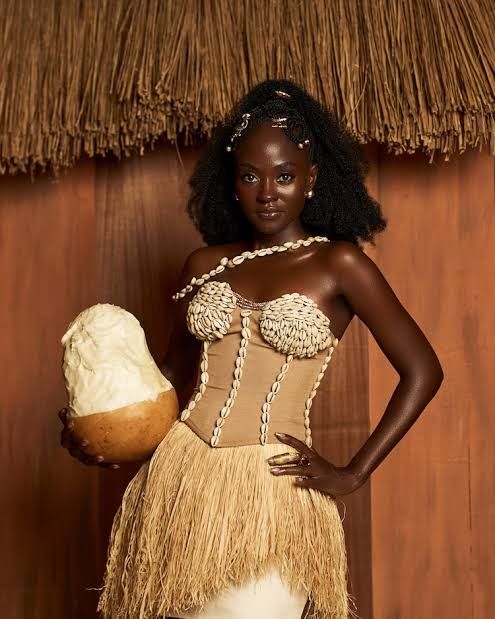

Ghanaian model, entrepreneur and cultural advocate Hamamat has outlined her vision as Ghana’s Shea Butter Ambassador, calling on Ghanaians to embrace locally produced goods and promote the country’s shea industry on the global stage.
Speaking in an interview with 3ENT’s Naphtali Baah, Hamamat said she intends to use shea butter not only as a beauty and skincare product but also as a vehicle for promoting Ghanaian culture, tourism, entrepreneurship and economic development.
According to her, supporting Ghanaian businesses must begin with consumers choosing local products.
“To truly support Ghana, we must consume Ghana. We must wear Ghana.”
Making shea butter attractive to the youth
Hamamat said one of her priorities is to encourage young people to take a greater interest in Ghana’s shea butter industry.
She believes the sector offers opportunities beyond the traditional use of shea butter as a skincare product and should be presented in more creative and innovative ways to attract a younger generation.
“This is bigger than shea butter. It is about Ghana,” she said.
She explained that her ambassadorial role is intended to keep the conversation around shea butter alive while highlighting the wider economic opportunities connected to the industry.
Promoting women and communities in Northern Ghana
Hamamat also highlighted the women in Northern Ghana whose livelihoods depend on the shea industry.
She believes greater demand for Ghanaian shea products, both locally and internationally, could create more opportunities for women and communities involved in the production and processing of the resource.
For her, promoting shea butter must therefore also mean promoting the people and communities behind the product.
Taking Ghanaian shea to the world
As part of her vision, Hamamat said she is exploring events and initiatives that will showcase different ways of appreciating and using shea butter while telling the cultural story surrounding its production.
Her ambition extends beyond Ghana, with plans to introduce international audiences to Ghanaian shea butter and the communities, traditions and natural resources connected to it.
She said the campaign ultimately represents a broader effort to promote Ghana and encourage citizens to recognise the value of locally produced goods.
“We must consume Ghana. We must wear Ghana. We must promote Ghana.”
Hamamat said she hopes her platform will inspire Ghanaians to look inward, support local industries and help position Ghanaian products on the global market.